Journal · set-asides · 27 January 2026
Two jars: the Revenue Department and the quiet month
A percentage copied from a stranger's advice is a guess. The amount belongs to your surplus, after the draw, and it should be allowed to be spent when its month arrives.
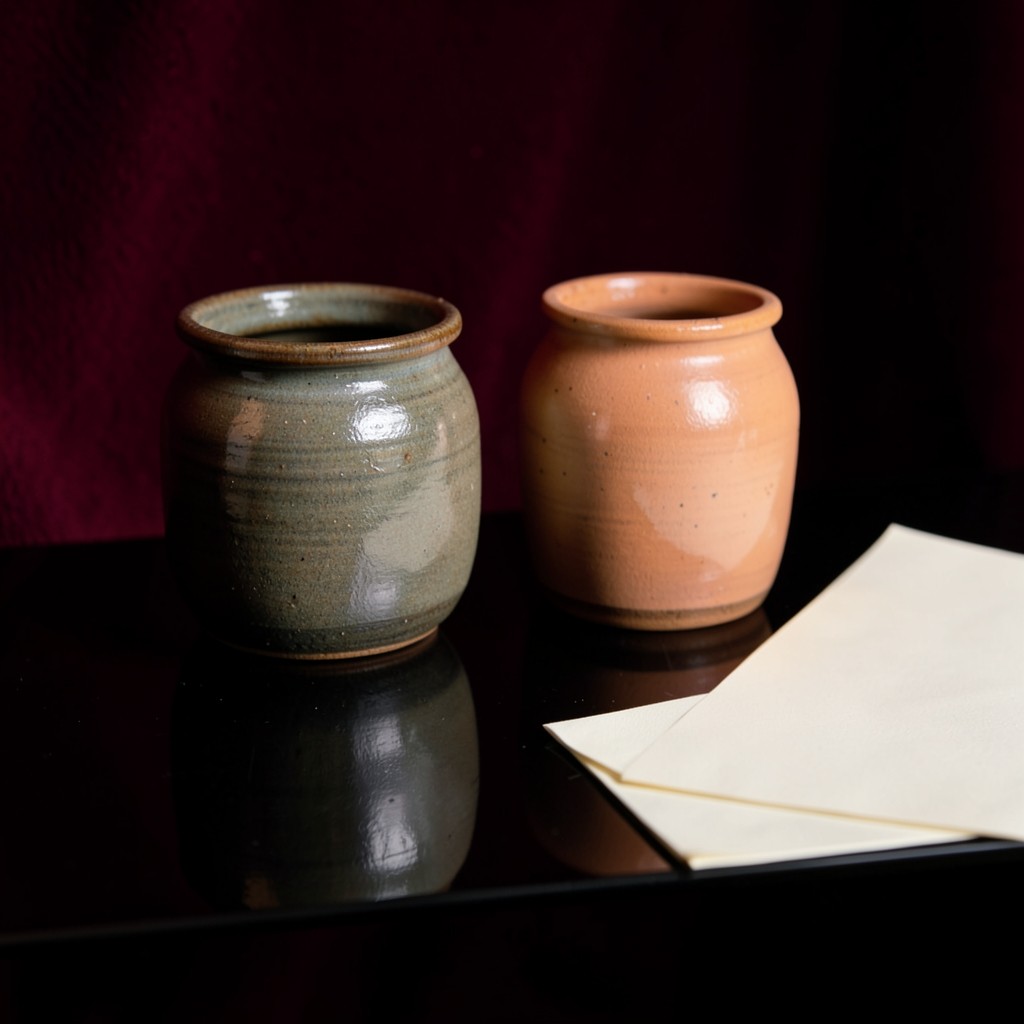
After the household draw and the standing costs of the work, some months still show a surplus. That surplus is where set-asides come from. Taking them from the draw instead, so the family eats less in order to feel virtuous, usually collapses by the second thin month. The jars are then raided in a hurry and the habit feels like a failure.
What each jar is for
The first jar is for the Revenue Department. Formal filing stays with you or with the accountant you choose; we do not prepare the return. What we do in the sitting is look at last year's payments and this year's takings, and name a monthly amount that will not surprise you when the bill is due. If your trade is under a threshold, or tax has already been withheld, we write that down too, so you do not set aside a fear instead of a figure.
The second jar is for a quiet month you can already see on the map. It is not an emergency romance. It is rent and rice for a month you know will be slow. When that month arrives, spending the jar is the plan working. Leaving it untouched while you borrow for rice is the plan ignored.
Keep the jars from mixing
Stock for the stall is not a quiet-month jar, and a family visit is not the tax jar. When the two are mixed, both duties feel optional. A separate tin, envelope, or bank account is enough. We write the amount on the cash map in baht per month, then check it at the quarterly sitting. If a generous month did not happen, we lower the set-aside rather than pretend the year is still the one we hoped for in January.
If the note sounds like your year, request a sitting or look at the engagements.